Hardware and Software Shielding for Seniors
A technical guide to implementing physical and digital barriers against Canadian telemarketing fraud and vishing operations.
Frequently Asked Questions
Why is a landline more vulnerable than a mobile device?
Traditional PSTN (Public Switched Telephone Network) lines often lack the advanced filtering metadata that modern VoIP or mobile carriers provide. Scammers exploit the lack of built-in "Scam Likely" tagging on older hardware, making it harder for seniors to distinguish between legitimate and fraudulent calls.
Can hardware blockers stop 100% of calls?
No system is absolute. While modern call blockers can filter up to 98% of known fraudulent numbers using global blacklists, "neighbor spoofing"—where scammers use local area codes—requires active white-listing protocols to be fully effective.
Does software shielding slow down my device?
Modern security applications are optimized for low-latency operation. The computational overhead for real-time call screening and database lookups is negligible compared to the risk of a successful social engineering attack.
Is it necessary to update the hardware database?
Yes. Fraudulent operations cycle through thousands of new numbers weekly. Without regular updates to the internal blacklist of your shielding device, new vishing campaigns may bypass your perimeter defenses.
Telephony Hardware Evolution
The Analog Era (1980-2000)
In the early stages of telecommunications, security was non-existent. Caller ID was a premium service, and shielding relied entirely on physical answering machines. Fraudsters were limited by the high cost of long-distance calling, which acted as a natural barrier to entry for international crime syndicates.
The VoIP Transition (2000-2015)
The shift to Voice over IP allowed for mass automated dialing. This era saw the rise of 'robocalls' and the first sophisticated vishing operations. Hardware shielding evolved to include standalone call-blocking boxes that sat between the wall jack and the handset.
Modern Integrated Defense
Today, shielding is a multi-layered approach involving AI-driven software, STIR/SHAKEN authentication protocols, and hardware with built-in "Silence Unknown Callers" features. We have moved from reactive blocking to proactive identity verification for every incoming signal.
⚠ WARNING: THE VULNERABILITY OF TRUST
"As of 2023, the Canadian Anti-Fraud Centre reported that seniors lost over $150 million to specialized schemes. Technical shielding is not an 'extra'—it is the primary firewall between a lifetime of savings and professional criminal networks."
Call Blocking Configuration and Logic
To effectively protect a household, one must understand the logic of call filtering. Modern hardware blockers, such as those from CPR or Digitone, utilize a "Dual-Filter" system. The first filter is the Global Blacklist, which contains over 100,000 known scam numbers reported by users worldwide. The second filter is the User-Defined Whitelist. For elderly users, the most secure configuration is the "Whitelist-Only" mode.
In this mode, only numbers specifically entered into the device's memory (e.g., family, doctors, local services) are allowed to ring through. All other calls are either disconnected or diverted to a pre-recorded screening message. This prevents the psychological pressure often found in emergency schemes from ever reaching the target.
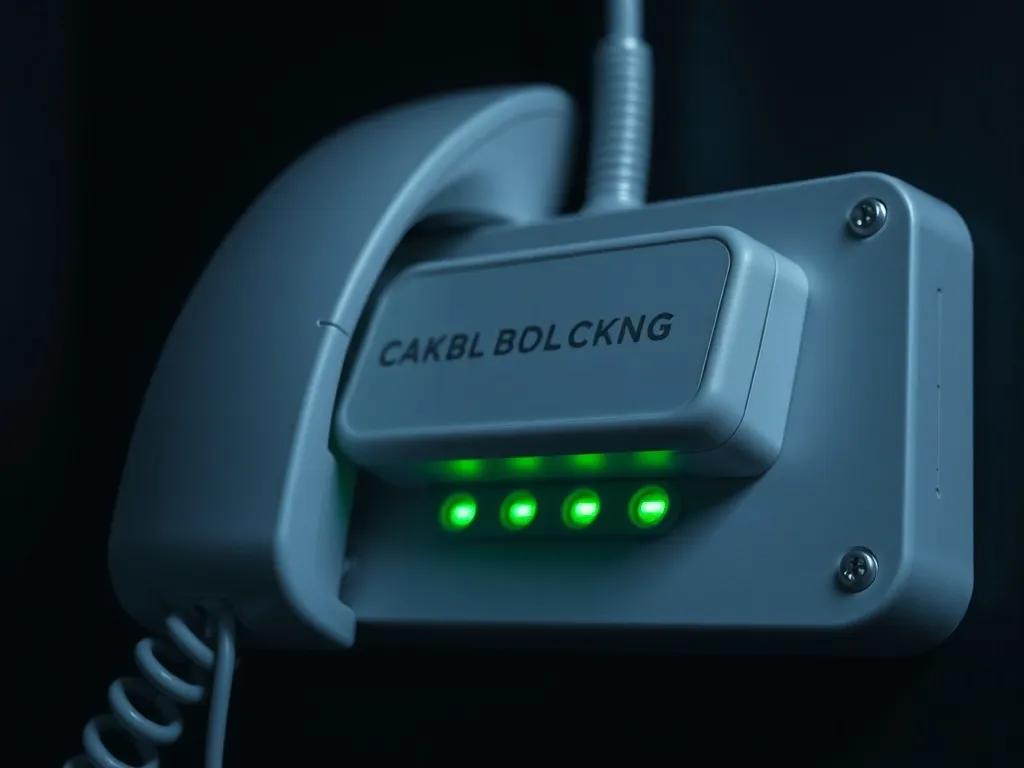
Fig 1.1: Typical hardware interceptor installation between wall outlet and base station.
Digital Footprint Reduction
Protection begins long before the phone rings. Scammers acquire targets by scraping public data and purchasing "lead lists" from compromised websites. Reducing a digital footprint involves three specific technical actions:
- Removal from Data Brokers: Use services like DeleteMe or manual opt-out requests for sites like WhitePages and 411.ca.
- Social Media Sanitization: Locking down Facebook profiles to "Friends Only" to prevent scammers from gathering names for CRA impersonation.
- Number Porting Protection: Contacting the telecom provider to set a secondary PIN for any changes to the account, preventing "SIM swapping" attacks.
System Maintenance Schedule
| Interval | Action Required |
|---|---|
| Weekly | Review "Blocked Calls" log to ensure no legitimate contacts were filtered. |
| Monthly | Update hardware firmware or blacklist database via manufacturer sync. |
| Quarterly | Perform a "Test Call" from an unlisted number to verify screening logic. |
| Annual | Audit all whitelisted numbers; remove those no longer in use. |
Ready to Secure Your Home Perimeter?
Technical shielding is the most effective way to eliminate the human element of error. Download our full hardware compatibility list today.