Close-up of a vintage black rotary telephone on a dark woode
Reference Document v4.1

Technical Terminology and Lexicon

This glossary provides a standardized technical vocabulary for identifying, documenting, and reporting telecommunications fraud within the Canadian landscape. Understanding these terms is the first step in establishing a defensive perimeter for vulnerable demographics.

Explore Definitions

Core Fraud Taxonomy

Standardized classification of deceptive techniques used by transnational criminal organizations targeting Canadian residents.

Vishing (Voice Phishing)

The use of telephony to conduct social engineering attacks. Perpetrators leverage Voice over IP (VoIP) technology to masquerade as trusted entities, such as bank investigators or government officials, to extract PII (Personally Identifiable Information).

Read Technical Specs

Caller ID Spoofing

A technical manipulation of the Primary Rate Interface (PRI) or Session Initiation Protocol (SIP) headers to display a false originating number. This is frequently used to mimic local area codes or official agency head-office numbers.

Anti-Spoofing Protocols

Social Engineering

The psychological manipulation of individuals into performing actions or divulging confidential information. In the context of fraud, this involves creating a state of high-arousal (fear or urgency) to bypass logical critical thinking.

Psychological Analysis

Canadian Regulatory Framework

CRTC (Canadian Radio-television and Telecommunications Commission)

The CRTC serves as the primary administrative tribunal for regulating the Canadian communications sector. Its mandate includes the implementation of STIR/SHAKEN (Secure Telephone Identity Revisited/Signature-based Handling of Asserted Information Using toKENs) protocols. These protocols are designed to combat the evolution of caller ID spoofing by requiring service providers to verify the digital signature of incoming calls.

Historically, the CRTC has transitioned from simple oversight to aggressive enforcement, levying multi-million dollar penalties against telemarketing firms that violate the National Do Not Call List (DNCL). For seniors, the CRTC represents the highest level of systemic protection against automated dialers and illegal solicitation.

CAFC (Canadian Anti-Fraud Centre)

Managed jointly by the Royal Canadian Mounted Police (RCMP), the Competition Bureau, and the Ontario Provincial Police, the CAFC is the central repository for fraud data in Canada. It operates as an intelligence-gathering hub rather than a direct investigative body. Data collected by the CAFC is used to track the evolution of fraud trends and to issue public warnings when new variants of the "Grandparent Scam" or "CRA Scam" emerge.

In 2023, the CAFC reported that Canadians lost over $567 million to fraud, a significant increase from previous years. This data underscores the necessity of immediate incident response and recovery procedures following a suspected breach.

⚠ WARNING: DATA INTEGRITY

"The evolution of generative AI has allowed threat actors to synthesize voice patterns (Deepfake Audio) with less than 3 seconds of source material. Regulatory entities are currently developing detection standards to mitigate this emerging threat vector."

Evolution of Fraud: Historical Case Studies

Era Primary Method Technological Context Regulatory Response
1990s Telemarketing Fraud Analog landline networks; high-pressure sales scripts. Introduction of the Competition Act amendments.
2000s Lottery & Prize Scams Early VoIP adoption; international call centers. Establishment of the National Do Not Call List (2008).
2010s CRA Impersonation Advanced spoofing; digital payment (iTunes cards). Project Octavia (RCMP international task force).
2020s AI-Enhanced Vishing Deepfake audio; cryptocurrency laundering. Mandatory STIR/SHAKEN implementation (2021).

Key Statistical Indicators (2023)

  • 01.

    Investment fraud remains the highest loss category, accounting for $309 million in reported Canadian losses.

  • 02.

    Targeted "Emergency" or "Grandparent" scams increased by 25% in frequency compared to the 2021 baseline.

  • 03.

    Only an estimated 5% to 10% of fraud victims report their losses to the CAFC due to stigma and shame.

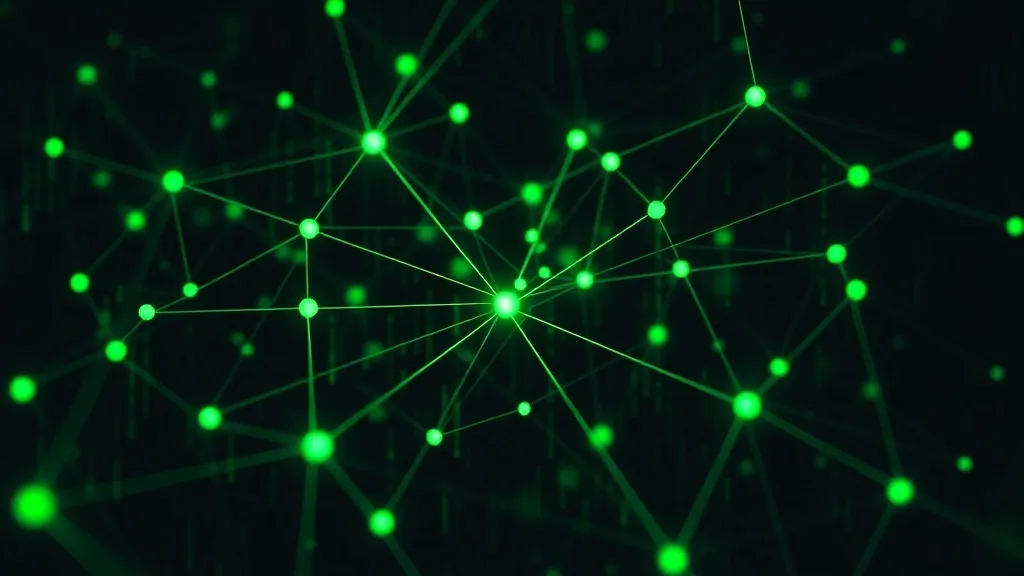
Abstract digital visualization of network nodes and connecti
Fig. 1: Schematic representation of transnational fraud network routing through multiple obfuscation layers.

Implement Defensive Protocols

Understanding the lexicon is only the preliminary phase of protection. To ensure the safety of family assets and personal identity, you must proceed to the operational phase of shielding and incident response. Review the CRA Impersonation guide for specific scripts used by threat actors.